
November 2026 - "Praise to the Lord, the Almighty"
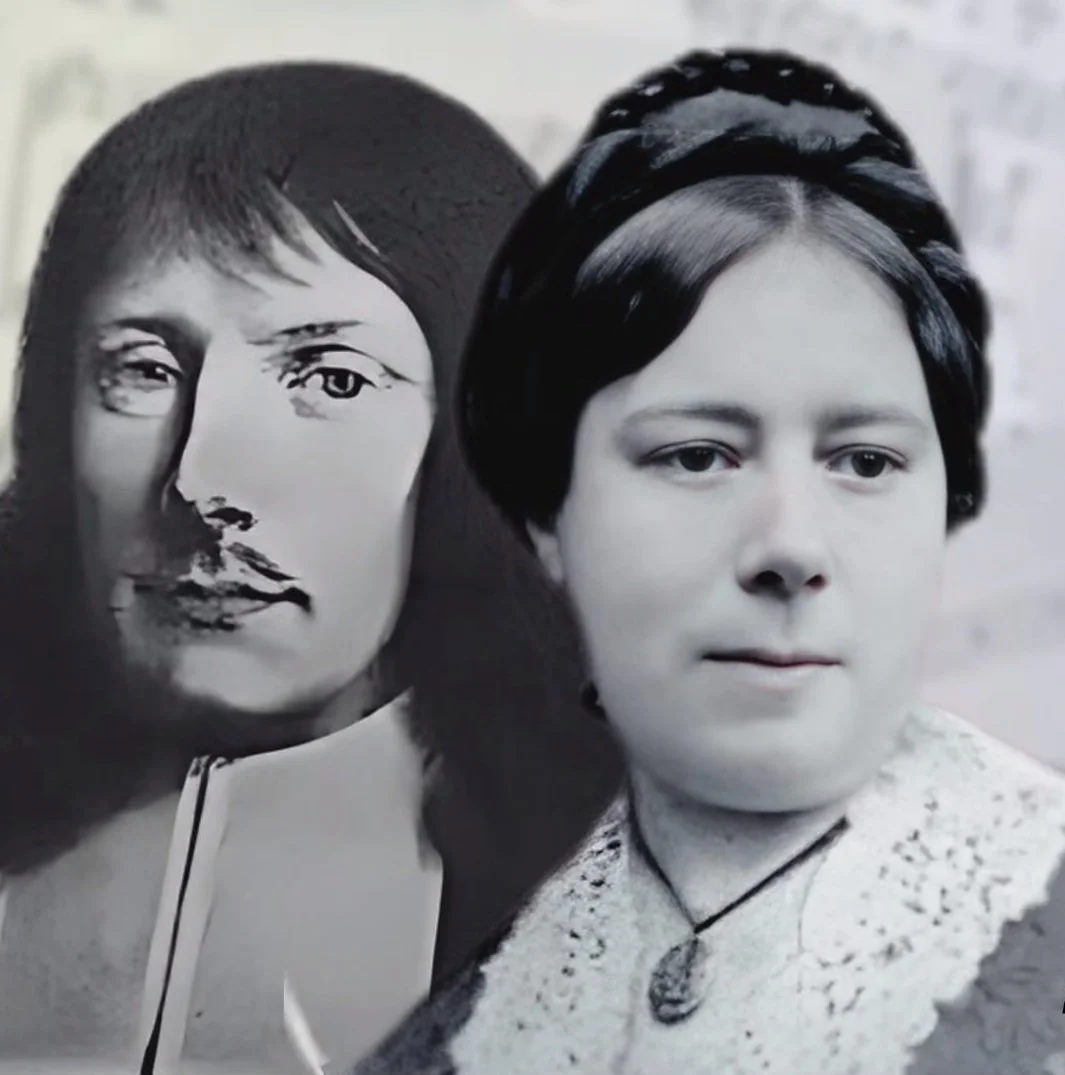
Joachim Neander (L), Catherine Winkworth (R)
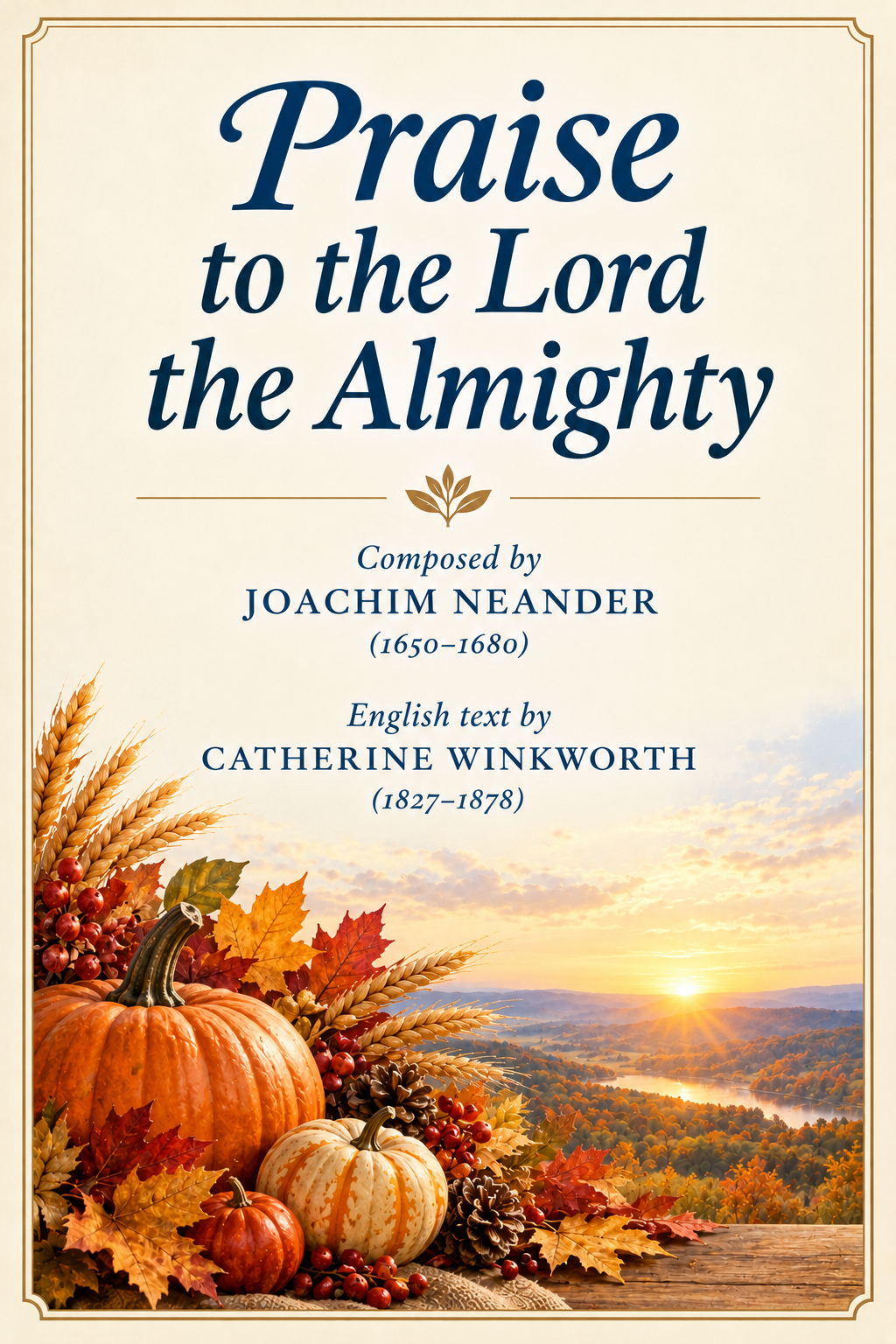
This month’s free tab is a hymn arrangement that has become closely associated with Thanksgiving celebrations in the United States. “Praise to the Lord, the Almighty” is one of the most beloved hymns in the Christian tradition, celebrated for its joyful spirit, majestic imagery, and confident expression of faith. The original German text, “Lobe den Herren”, was written by Joachim Neander in 1680 and published the following year in a collection of hymns and sacred songs. Drawing upon the language of the Psalms, particularly Psalm 103, the hymn calls worshipers to praise and be thankful to God for His enduring goodness, faithfulness, and sustaining care.
Joachim Neander (1650–1680) was a German Reformed theologian, teacher, and hymn writer whose relatively brief life produced a lasting legacy in Christian worship. He served as a teacher and preacher in Düsseldorf and became associated with the Pietist movement, which emphasized personal faith and heartfelt devotion. Neander wrote over 60 hymns during his lifetime, but “Praise to the Lord” became his most enduring contribution. Its vivid descriptions of God’s majesty and providence remind us that the blessings for which we give thanks extend beyond mere material abundance.
The English translation most widely sung today was made by Catherine Winkworth (1827–1878), an Englishwoman whose translations introduced many German hymns to English-speaking congregations. A scholar and advocate for women’s education, Winkworth devoted much of her literary work to making the rich tradition of German hymnody accessible to English readers and worshipers. Her translation of Neander’s hymn, published in 1862, preserves the exuberance and reverence of the original while giving it a natural, memorable English text.
One of the most influential figures in Thanksgiving's history was Sarah Josepha Hale (1788–1879), an editor and author who campaigned for decades to establish a nationwide Thanksgiving holiday. Hale believed that a common annual celebration could strengthen family bonds and national unity. Through editorials, magazine articles, and letters to political leaders, she advocated observing Thanksgiving on the same day throughout the country. She also helped popularize the traditional Thanksgiving meal familiar to Americans today. Her campaign eventually reached President Abraham Lincoln.
On October 3, 1863, in the midst of the Civil War, President Abraham Lincoln issued a proclamation calling for Thanksgiving to be observed on the last Thursday of November. The timing was significant. The country was suffering through a devastating war, and Lincoln's proclamation emphasized gratitude for the blessings that remained, even amid such national grief and deep division. He encouraged Americans to seek healing, peace, and reconciliation. One of first hymns sung at the Thanksgiving observances at the White House that year was “Praise to the Lord the Almighty”.
Here’s a link to a YouTube video of the hymn being sung in 4-part acapella harmony by Michael Eldridge:
Enjoy, and wishing you all a Happy Thanksgiving!
—Tull
Costs related to maintaining this website to provide these monthly tabs continue to rise. If you can, please consider making a donation to help offset some of these costs. Thank you!